Book Your Stay
By Brigitte Najarian-Mier on June 17, 2026
Exploring California’s tide pools is the perfect family friendly activity to try when traveling with small children. Whether you’re a marine wildlife enthusiast, or a family on vacation, tide pooling in Ventura County Coast is a great way to connect with mother nature. With the diverse marine life, you can find so many magnificent creatures in such a small place. I still remember the tiny starfish I found at Emma Wood State Beach. Formed by ocean tides, these rocky basins are filled to the brim with little ecosystems.
Everything You Need For An Epic Tide Pool Adventure
The first couple of things you should know about tide pools are that the surfaces are slippery and the surf is unpredictable. There have been many a time when I’ve lost my own balance, too distracted by the splendor of the deep. Make sure to pack waterproof shoes with grip and keep kiddos close.
Timing Your Visit
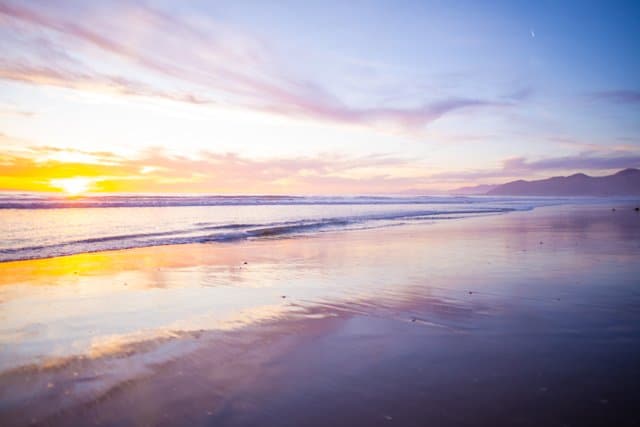
The best time to go tide pooling is during a minus low tide. Generally, winter low tides occur in the afternoon and evening, while early morning is the optimal time during the summer. Once you get out there, see what marine life you can spot. As beautiful as they may be, it’s best to leave shells, rocks, and creatures where they belong.
Pro tip: Check the tide charts before you go. I like to use this tracker to plan my trip, giving me enough time to grab a bite to eat before heading to the shore.
Parent tip: Kids can keep track of everything they see in a journal and research the treasures they find back home.
Creatures From the Deep
Some common critters you’ll come across in California tide pools are:
Giant Green Sea Anemones
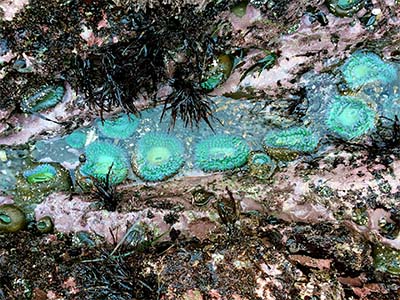
The windflowers of the sea. These jelly-like creatures can be spotted in most intertidal zones with cobblestone, shale, or rocky bottoms. Their flower-like appearance comes from their tentacles, which are used to feed on small fish, sea worms, small crabs, and shellfish.
📸 Giant Green Sea Anemones lined up in a rock pool. Photo by David J. Boozer
Hermit Crabs
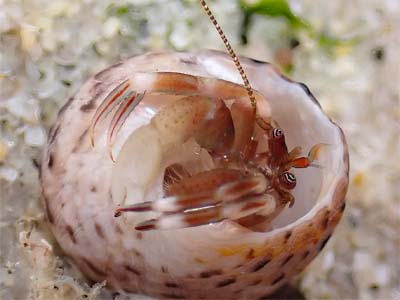
Masters of disguise, the Ventura Hermit Crab (Pagurus venturensis) is a fascinating find for the patient observer. These resilient creatures inhabit empty snail shells to protect their soft abdomens. Fun fact: As they grow, hermit crabs must seek out new housing, and have been known to adopt unconventional human-made objects like bottle caps and small jars.
📸 A Ventura Hermit Crab resting inside an abandoned sea shell. Photo by Thomas Irvine
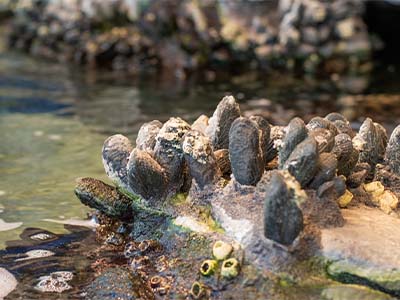
Mussels
You can find mussels in places like rock jetties, boulders, and pier pilings along the Ventura and Port Hueneme Piers. While mussels are quite common in these places, their deep blue color and large populations make them easy to spot in tide pools and intertidal zones.
📸 Outcropping of mussels found just above a tide pool. Photo by The Ventura Pixel
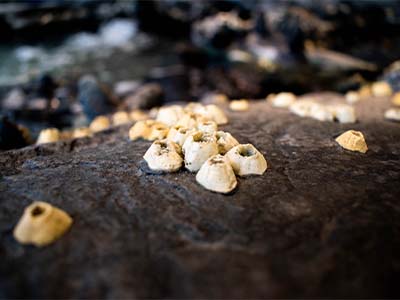
Barnacles
These stationary crustaceans are simply fascinating. They can be found on boat hulls, dock and pier pilings, as well as intertidal zones where the surf is heaviest. Witness these resilient shellfish grow on rocks alongside gooseneck barnacles in spots exposed to the surf. Note that gooseneck barnacles are particularly elusive, often tucked away at the end rock jetties.
📸 A group of barnacles found alongside a thriving tide pool . Photo by The Ventura Pixel
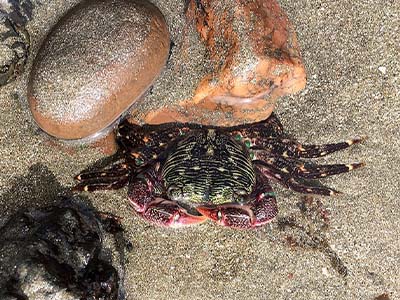
Shore Crabs
These elusive miniature crabs retreat into rock crevices on jetties, tide pools, and rocky shorelines. They are masters of concealment who reveal themselves at the first sign of a succulent meal. The best way to observe them is by standing perfectly still and waiting for them to emerge. Any sudden movements will cause them to scatter and hide.
📸 Shore crabs often reveal themselves to feed on carrion in the intertidal zone. Photo by Peter D. Tillman.
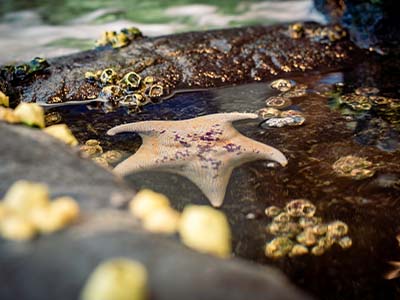
Sea Stars
Often called starfish, these invertebrates vary in size from the humble purple sea star to much larger varieties. Starfish can be found clinging to rock jetties, tide pools, and sunken boulders. While sea stars are beautiful creatures, handling them is strictly forbidden by law.
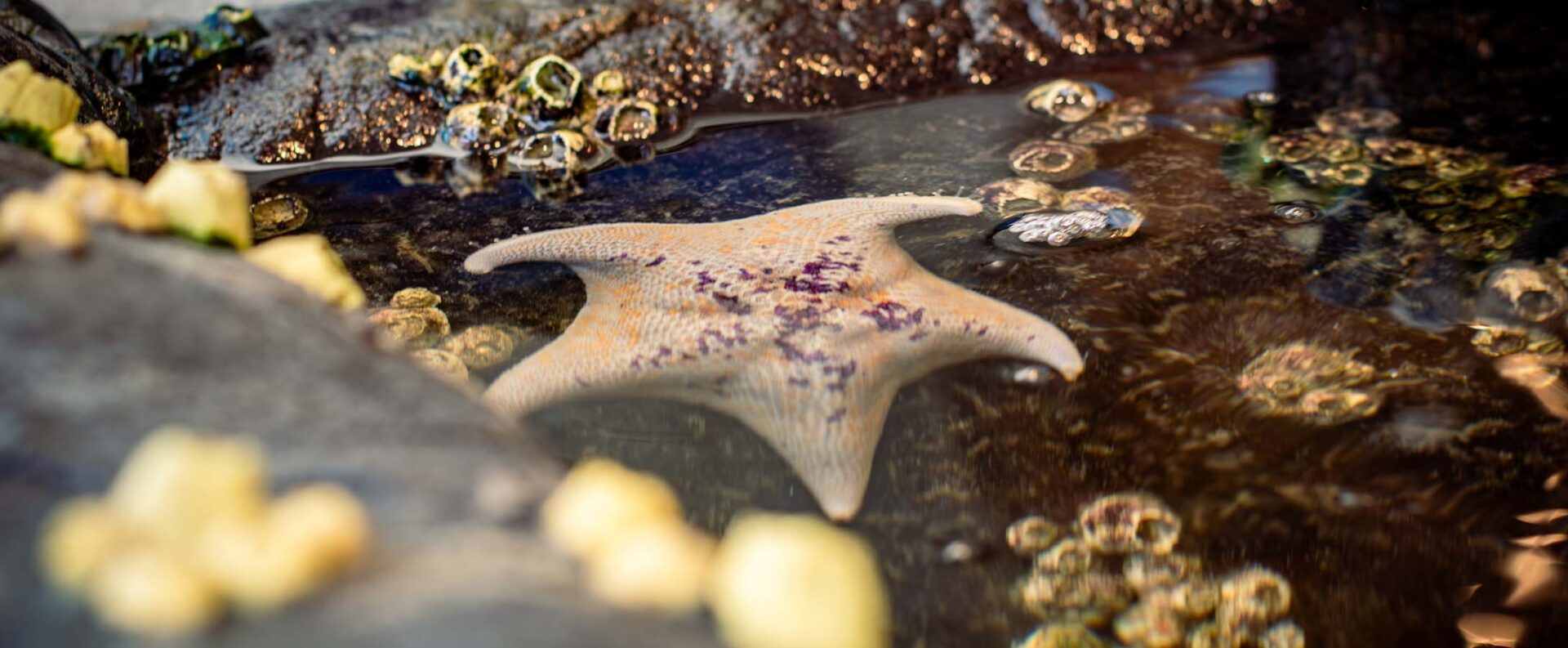
📸 A palm sized starfish clinging to a submerged rock in shallow tide pool. Photo by The Ventura Pixel
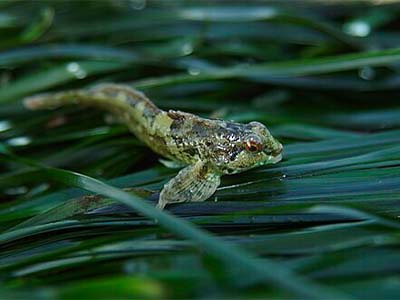
Small Fish and Sea Snails
Small fish and sea snails can be spotted once you stand still. Fish are naturally wary of humans and natural predators so they’ll remain hidden if you’re moving around. Similar to shore crabs, you must be perfectly still and wait for them to emerge. Sea snails are easy to spot but are more rare than small fish species in this region.
📸 Tidepool sculpin resting above seagrass in a tidepool Photo by Jerry Kirkhart
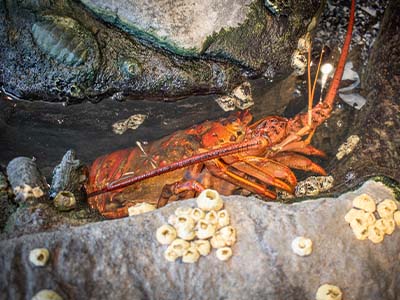
Spiny Lobster
These incognito creatures spend their days hidden deep in crevices along jetties and rocky areas in the intertidal zone.These mysterious crustaceans are characterized by their deep reddish color, long spiny antennae, and unlike their east coast cousins, they lack claws entirely. While most remain under a foot long, some can get as big as 3 feet in length.
Fun Fact: Lobster season begins in October. If you’re interested in harvesting, please be aware that both an ocean-enhanced sport fishing license and a lobster report card from the California Department of Fish and Wildlife are required.
📸 A large spiny lobster wedged in between two rocks inside a tide pool. Photo by The Ventura Pixel
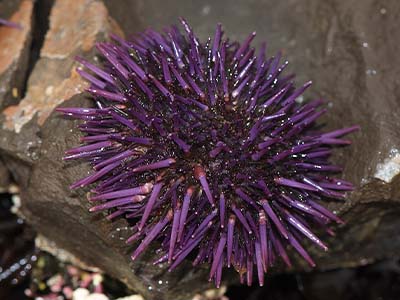
Pacific Purple Sea Urchin
These invertebrates dwell in the intertidal zone primarily to feed on kelp. They can be spotted on cobblestones, rocky outcroppings, and reef bottoms where shallow kelp grows. If you spot one, stay still for a moment and you’ll see it slowly move across the ocean floor in search of its next meal.
📸 Pacific Purple Sea Urchin rooted on a large boulder inside a California tide pool. Photo by Jerry Kirkhart
Patience is key. Sometimes you can stare at a tide pool for five minutes before you notice the micro marine animals come to life.
California Tide Pool Hot Spots
From Ventura to Oxnard, the best discoveries happen when you least expect them. Just make sure it’s low tide!
Emma Wood State Beach – Ventura
One of the better-known tide pool locations, you can bike along the Omer Rains Coastal Bike Trail to get here. The best tide pools can be found on the park’s south side where the bottom consists of cobblestone and shale. If you’re parking along the Rincon Parkway, use extreme caution when crossing the railroad tracks. The trains are quiet and move at high speeds, leaving very little time to react. Look both ways when crossing and don’t hang out on the tracks. Once you get into the park, walk south on the main road until you reach the intertidal zone.
Location: Pacific Coast Highway
View Map
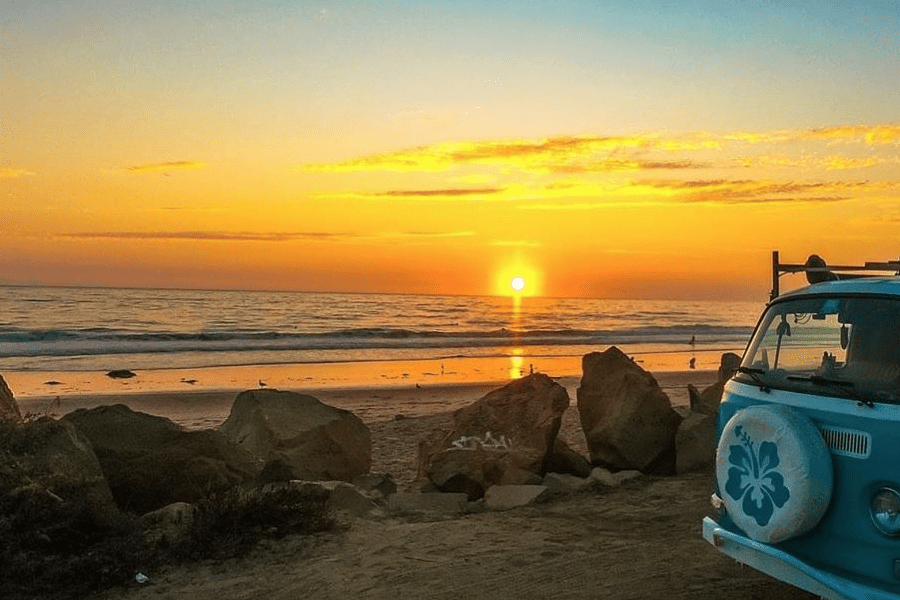

Mondos Beach, Ventura
This family-friendly beach destination features a shoreline consisting of sand and shale reef. The beach’s unique geography provides an ideal environment for tide pooling. Mondos is a combination of sandy bottom and shale reef, making it one of the best spots for tide pooling due to its unique geography and family friendly atmosphere. Getting to the beach requires a rock scramble of about 10-15 feet down to get to the beach so be careful. Once the tide recedes the shale reef will emerge where you’ll see small fish, sea anemones, and sometimes the occasional trapped larger fish. Park across Pacific Coast highway along the designated parking area. Be careful when crossing the road as this stretch of beach is heavily visited by people watching the surf and cyclists riding on PCH.
Location: Pacific Coast Highway
View Map
Rincon Point, Highway 101
Rincon Point is located about 15 minutes north of Emma Wood and is one one of the most diverse intertidal zones to visit. The shoreline consists of rock and sand bottom pockets where you’ll find a combination of wavy turban snails, small fish, sea anemones, and other small sea creatures. This beach boasts immaculate scenery with towering mountains, beautiful custom homes, a scenic rivermouth, and gorgeous views of the pacific ocean. The best tide pools can be found in the cove on the beach’s south end.
Location: Rincon Point Rd, Carpinteria, CA 93013
View Map


Mussel Shoals
Named after the intertidal zone’s most prolific creature, this is a rocky shoreline with a shale bottom surrounded by boulder outcroppings that form tide pools. Accessing some of these pools can be challenging for those with mobility issues or small children. If you’re feeling adventurous and plan to proceed, use caution as some rocks can be slippery, even when completely dry.
Location: Highway 101
View Map
📷 Low tide at sunset offers some of the best opportunities for tide pooling at Mussel Shoals. Photo by Harold Litwiler
Hollywood Beach – Oxnard
While Hollywood by the Sea is mostly a sand bottom beach that borders Channel Islands Harbor and features a large jetty that conceals an abundance of sea life. During low tide, go and explore the jetty. Here you’ll find sea stars, barnacles, sea crabs, small fish, and you might even spot a spiny lobster. As always do not disturb the wildlife here, no matter how tasty they may appear.
Location: At the end of Harbor Blvd in Oxnard
View Map

Silver Strand Beach – Hueneme Beach Park
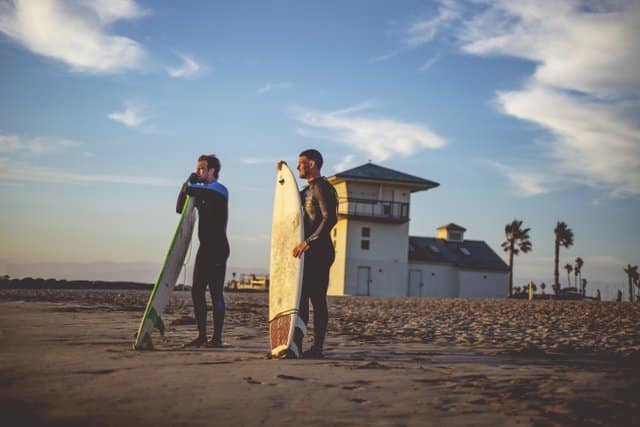
Both Silver Strand and Port Hueneme are characterized by sandy bottoms with both beaches bordering Channel Islands Harbor and the Port of Hueneme. The jetty boulders provide habitat for an abundance of intertidal creatures like star fish, shore crabs, spiny lobster, small fish, mussels, and barnacles.
Location: Silver Strand Beach
View Map
Channel Islands National Park Visitor’s Center
If the tides don’t align with your plans, you can still experience the coastal environment at the Channel Islands National Park Visitor’s Center. Their tide pool aquarium is an excellent way to view marine life up close, including spiny lobster, various intertidal fish, and detailed educational replicas of other local species. For an even deeper look, visit on a weekend or holiday to catch a tide pool presentation from a park ranger, offered year-round at 11:00 am and 3:00 pm. These sessions are a wonderful opportunity to learn about the local species, the complex ecosystems, and the vital role they play in the life of our islands.
Location: Robert J. Lagomarsino Visitor Center at Channel Islands National Park
1901 Spinnaker Dr, Ventura, CA 93001
View Map

Conservation and respect
California tide pools are fragile ecosystems, so it’s really important not to touch or disturb the wildlife. Even something as simple as removing shells can affect the livelihood of hermit crabs and other marine organisms that often use them as homes.
A few good rules to follow when you visit are:
Watch your step, don’t touch or take, and leave it better than you found it. Cleaning up your trash along the way makes a world of difference for marine habitats.
Now go on and plan your trip to some of the best tide pools in California! It’s a family-friendly activity and something you can do on your own while visiting the coast.